
Fast or Slow Shutter Speed for Seascapes?
One of the most creative choices you can make in seascape photography is your shutter speed.
It is easy to think of shutter speed as just another camera setting, but in reality, it does much more than control exposure. It changes the way movement looks in the frame, and that completely changes the feel of the final image.
The same scene, in the same light, can look completely different depending on whether you use a fast shutter speed or a slow one.
That is why it matters.
What a fast shutter speed does
If you use a faster shutter speed, you freeze the movement in the water.
That means you keep:
more detail
more shape in the waves
more texture
and more of that raw energy and impact
This can work really well when the sea has a bit of power in it and you want to capture that sense of force in the scene.
If the water itself is the drama in the image, a faster shutter speed can be a very strong choice.
You are no longer smoothing the movement out.
You are showing it.
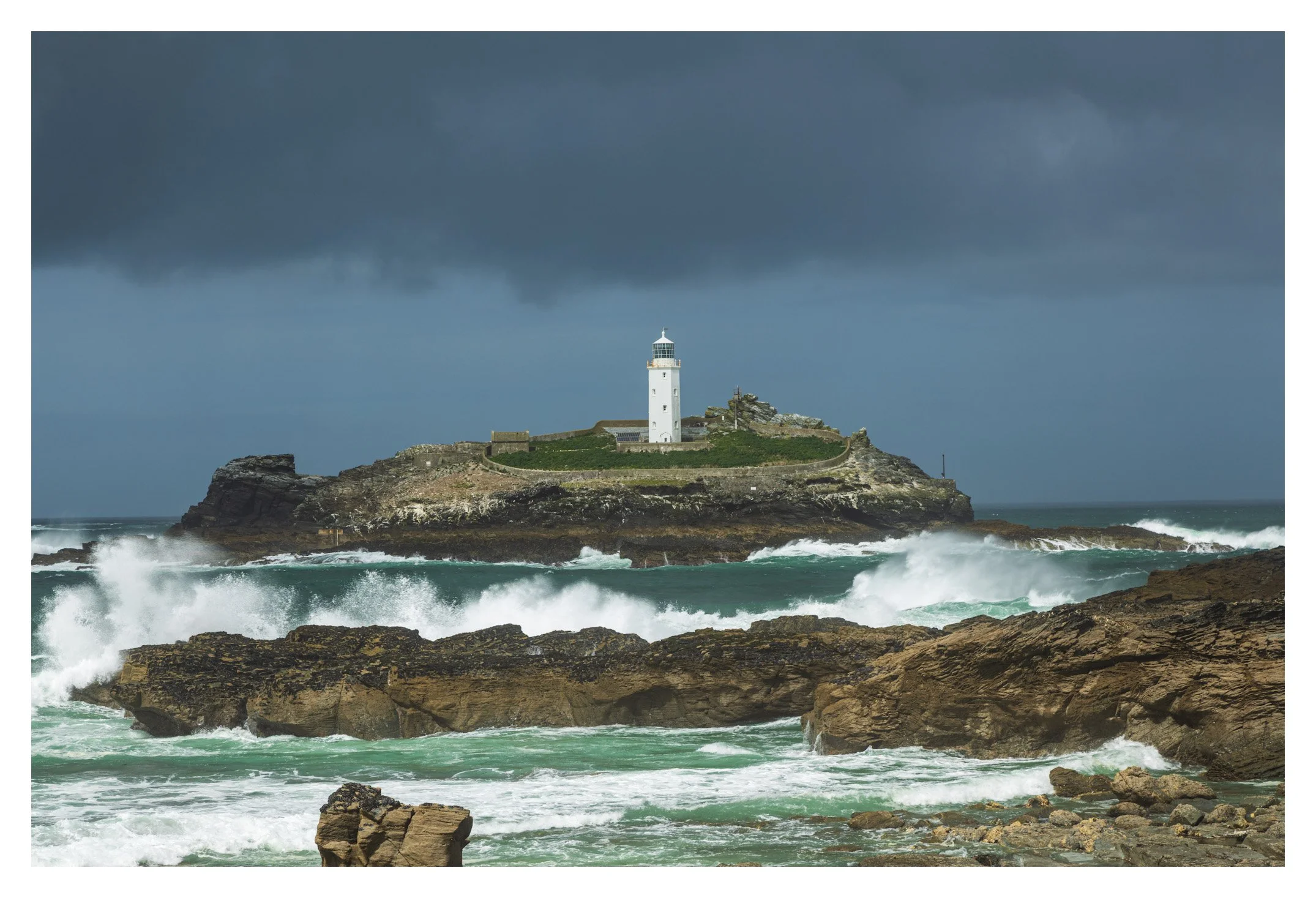
1/100s, f11, ISO50, 80mm.
What a slow shutter speed does
If you slow the shutter down, the movement starts to blur.
Instead of freezing the shape of the water, you begin to show its flow. The image often feels:
softer
calmer
more atmospheric
and sometimes more abstract
This can be a great choice when you want mood rather than impact, or when you want to simplify the way the movement looks in the frame.
A slower shutter speed can make the water feel more fluid and help create that softer long-exposure style many people are drawn to in coastal photography.
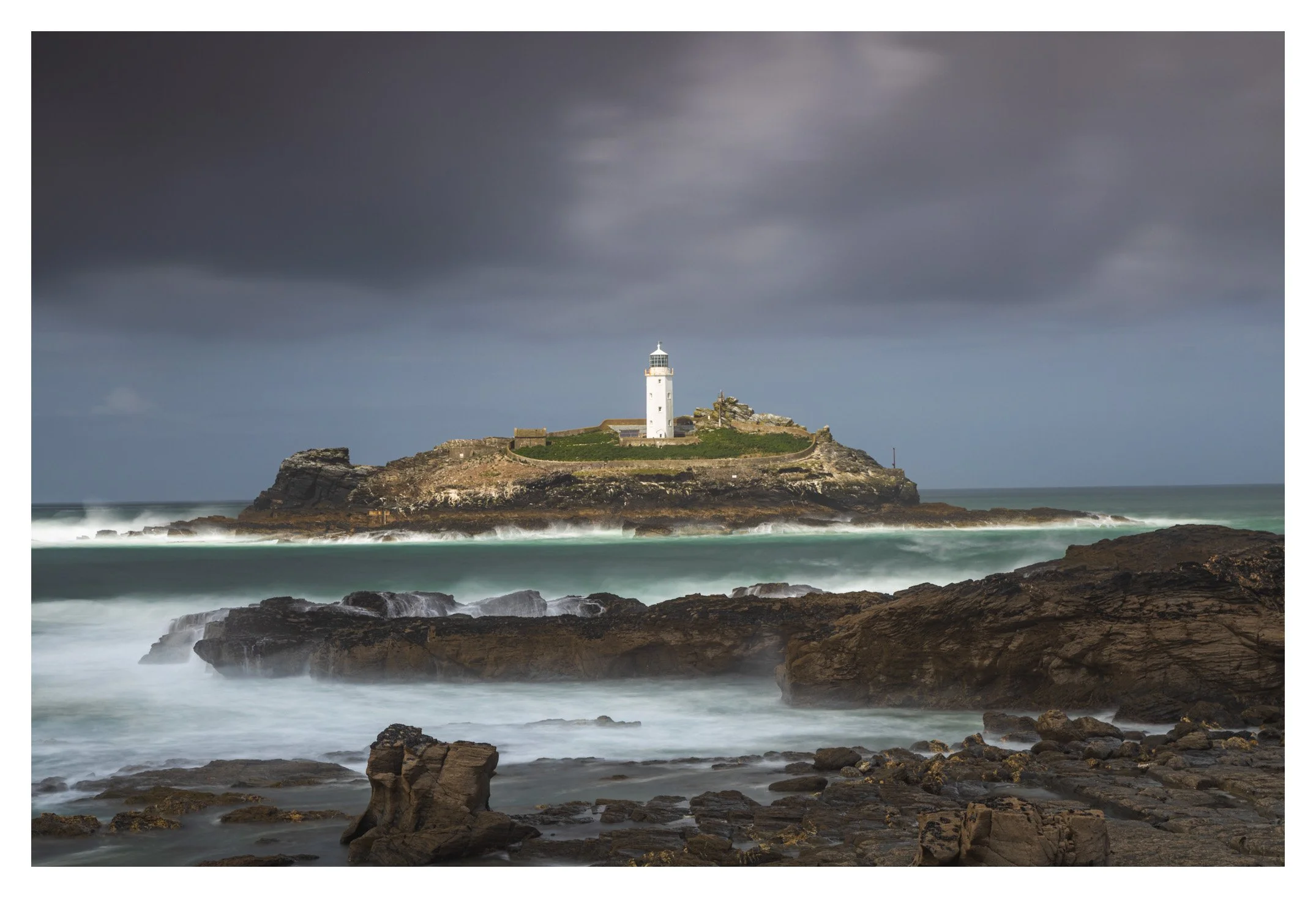
10.0s, f11, ISO50, 67mm.
Neither one is automatically right
This is the key thing to remember.
A slower shutter speed does not automatically make a better seascape.
And a faster shutter speed does not automatically make a more powerful one either.
It depends on:
the conditions
the behaviour of the water
the composition
and what you want the image to say
That is why shutter speed is not just a technical decision. It is a visual one.
You are not simply changing a setting.
You are choosing a look.
The practical side still matters
Of course, shutter speed does not exist in isolation.
If you want to use a faster shutter speed, especially in lower light, you may need to raise your ISO to keep the exposure where you want it.
If you want to use a slower shutter speed in bright conditions, you may need an ND filter to reduce the amount of light reaching the sensor. Otherwise, those longer exposures may not be possible.
That is part of the real-world decision making.
The creative choice comes first:
What do I want this image to feel like?
Then the technical choices support that.
A simple way to think about it
As a rough guide:
If you want detail, shape, and impact, go faster
If you want flow, softness, and atmosphere, go slower
And if the conditions allow, take both.
That is often the best way to learn what works. Photograph the same scene with different shutter speeds and compare the results afterwards. When you do that, the difference becomes very obvious, and it becomes much easier to make intentional decisions in the future.
Why this matters in seascape photography
The coast is always moving.
That means shutter speed plays a huge role in how the image feels. It affects whether the sea looks:
energetic
violent
delicate
dreamy
calm
or chaotic
That is a big creative tool to have in your hands.
Rather than asking what shutter speed you are “supposed” to use, it is often more helpful to ask:
What kind of image am I trying to make?
That question changes everything.
Watch the full Quick Wins video
I also made a short video on this topic as part of my Quick Wins series, where I show the difference between fast and slow shutter speeds using real seascape examples in the field.
If you are working on your landscape and seascape photography, this is one of the most useful creative choices you can start paying attention to.