
Are You Using the Right Shutter Speed for Winter Seascapes?
When you arrive at a winter seascape with real energy, texture, and power in the water, what shutter speed do you reach for first?
For a lot of photographers, the instinct is to slow everything right down. Ten seconds. Thirty seconds. Longer if possible. Smooth the water, simplify the scene, create that soft long exposure look we all associate with coastal photography.
But winter seas are different.
They surge. They collapse. They rebound. There’s weight in the movement, and often a sense of violence too. And that raises an important question:
Are you using the right shutter speed for your seascape photography?
That’s exactly what I wanted to explore at Godrevy on the north Cornish coast.
Winter Seas Don’t Behave Like Summer Seas
One of the problems with a lot of photography advice is that it gets repeated as if every scene behaves the same way. We’re often told to slow the shutter, smooth the water, and make the scene calm.
But winter often isn’t calm.
And sometimes your shutter speed shouldn’t be either.
When I arrive at a seascape with a lot of movement and power in the water, my instinct usually isn’t 10 seconds or 30 seconds. More often than not, my starting point is around 1/4 of a second.
That isn’t a rule.
It isn’t a magic number.
It’s simply experience — and knowing what I want the final image to feel like.
At around a quarter of a second, something really interesting happens. The water still moves, but it doesn’t disappear. You keep texture in the foam, shape in the spray, direction in the flow. The image still feels alive. It still feels honest. And crucially, it still looks like winter.
Comparing Different Shutter Speeds
To show this properly, I used a set of images taken from the same location at different exposure times.
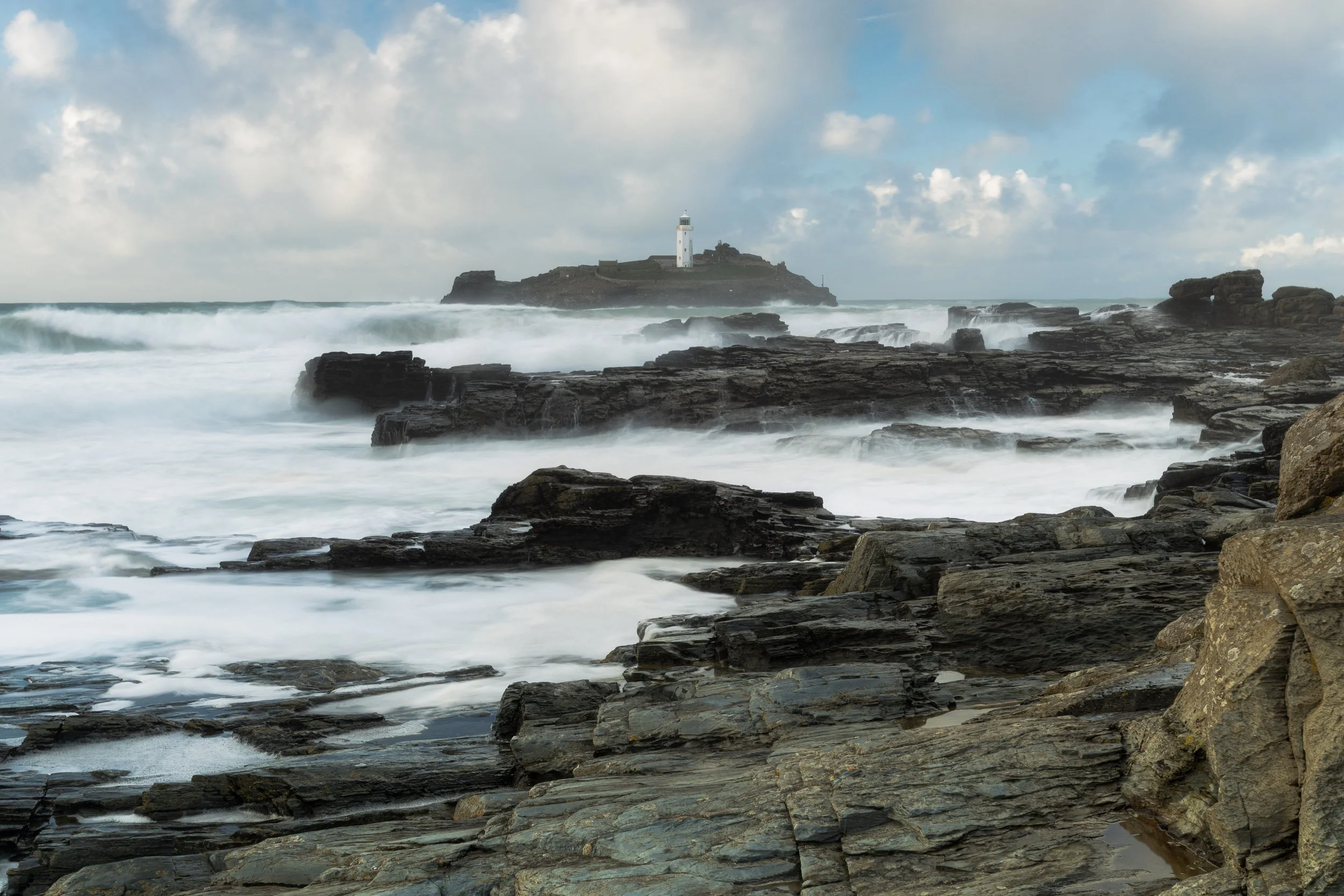
2 seconds
At 2 seconds, the water softens. The chaos is averaged out. It can still make a nice image, but it often feels calmer than the conditions actually were.
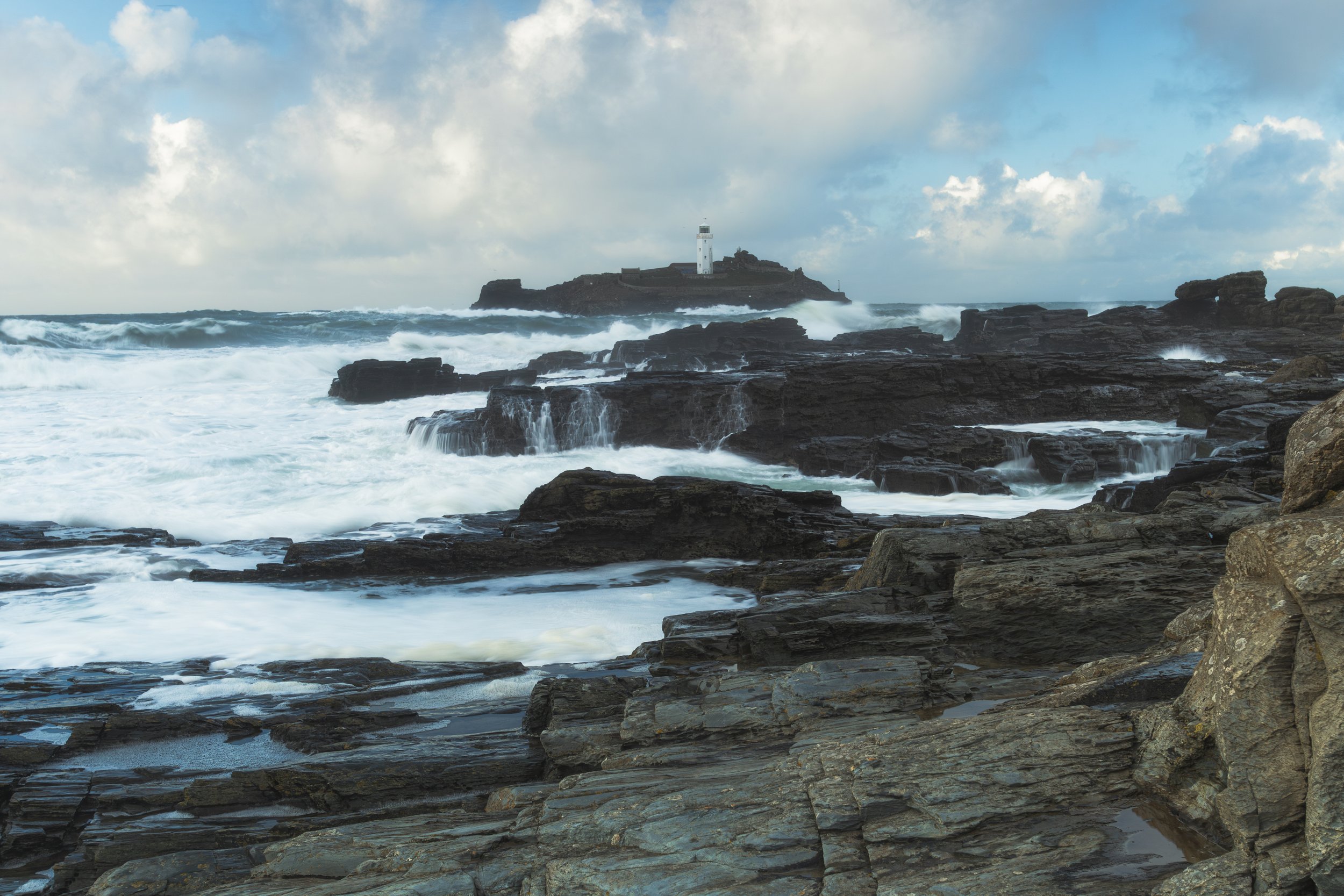
1/4 second
At 1/4 of a second, the texture starts to come back. You can still see movement, but you also get a stronger sense of energy and direction through the frame.
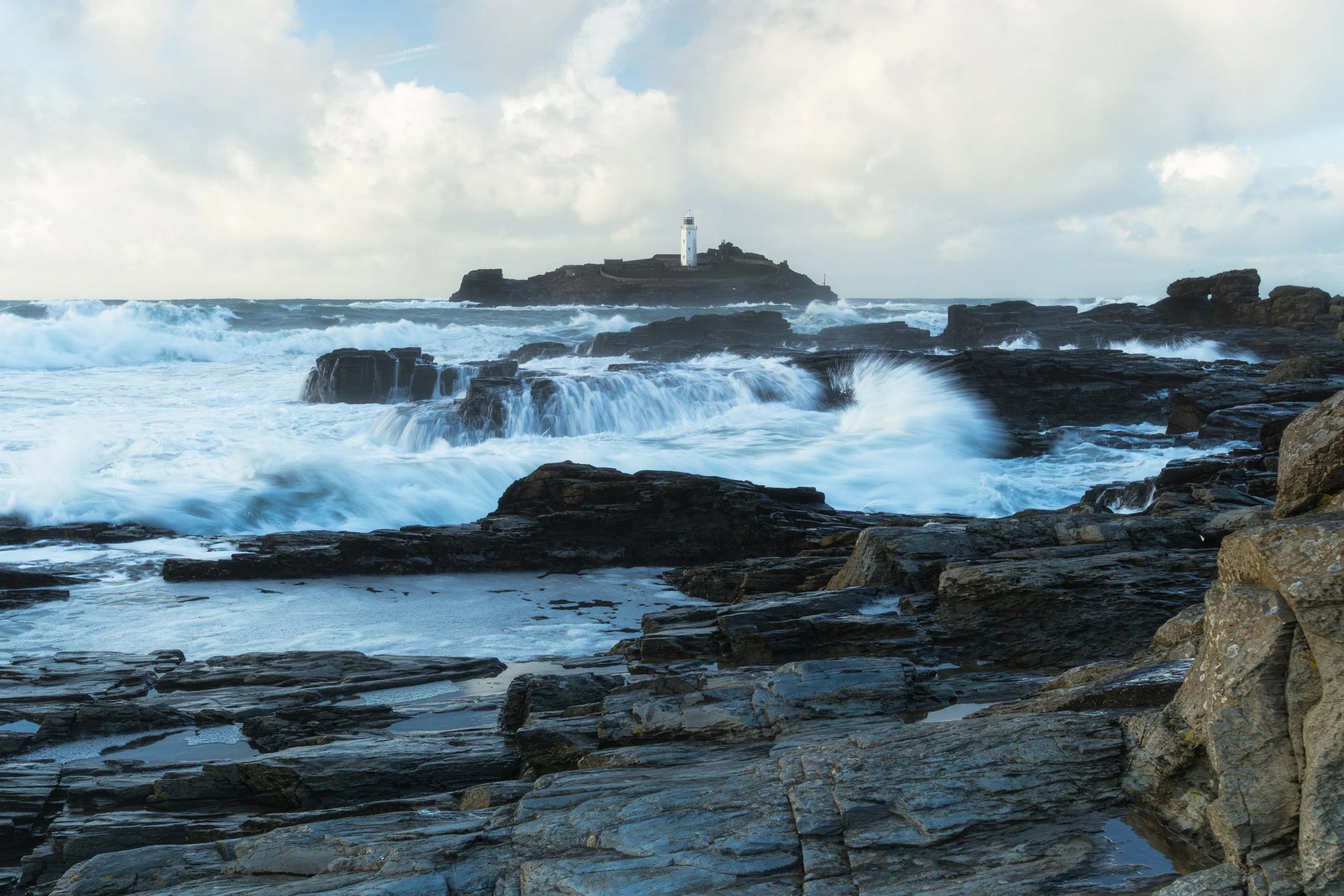
1/10 second
At 1/10 of a second, the sea feels raw, aggressive, and unpredictable. Sometimes that’s exactly what the scene needs.
That’s where many photographers get stuck — searching for the “correct” shutter speed.
But the reality is this:
There is no single right shutter speed for seascapes. There is only the shutter speed that matches your intent.
Do you want calm?
Do you want movement?
Do you want power?
Each one asks for something different.
A Simple Starting Point
Technically, this doesn’t need to be complicated.
My usual starting point is:
Low ISO — ISO 50 or 100, or whatever your camera’s base ISO is
Aperture around f/11
Then I control the image with shutter speed
Filters don’t create the image for you. They simply give you access to the shutter speeds you want to explore.
That’s an important distinction.
Why This Matters in Winter
In winter, shorter shutter speeds often tell a truer story. They preserve texture. They preserve direction. They preserve risk.
Long exposure photography can still work beautifully, of course — but it needs to be a choice, not a habit.
Long exposure photography isn’t about smoothing everything into silence. It’s about deciding how much motion you’re willing to lose.
And in winter, losing too much can mean losing the point entirely.
Final Thought
So the next time you’re standing in front of a winter sea, ask yourself one simple question:
What shutter speed actually suits this moment?
Not what you’ve been told to use.
Not what worked last summer.
But what feels right for the conditions in front of you right now.
That’s where meaningful seascape images come from.